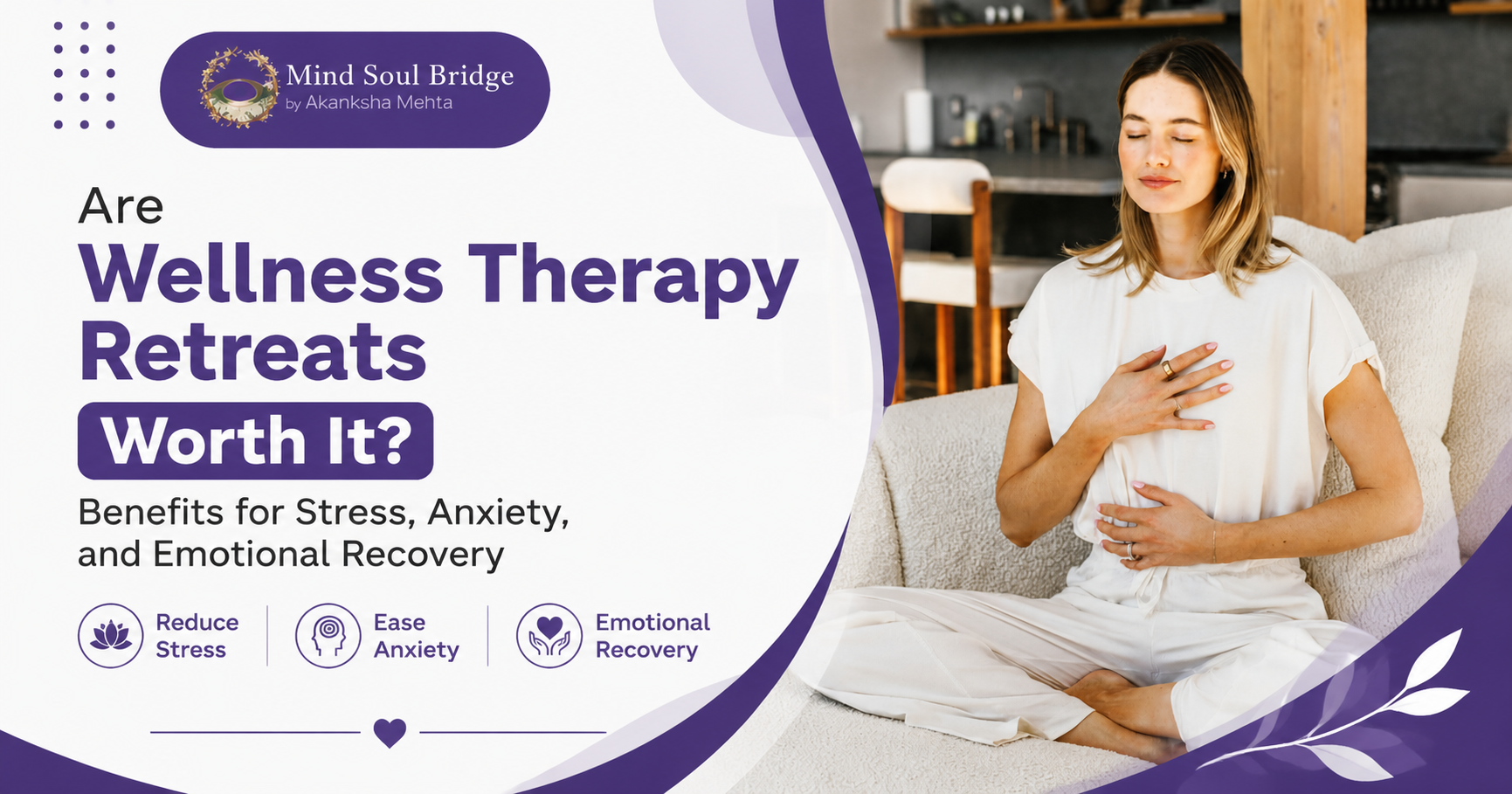




Life always feels so busy these days. Even when you’re technically ‘off’, your brain usually isn’t. The emails continue to pile up, the notifications never stop and there is always a new responsibility just around the corner. It can be hard to distinguish between being temporarily stressed out and being totally drained over time. Which is probably why more people are starting to look beyond short holidays. They don’t just want to take time out, they want to come back feeling lighter in their minds, stronger in their emotions and genuinely refreshed.
This is where wellness therapy retreats have entered the conversation. They’ve become increasingly popular among people dealing with stress, emotional burnout, anxiety, and even major life changes. But are they actually worth the investment, or are they simply another wellness trend? The honest answer is that it depends on what you’re hoping to achieve. For many people, these retreats offer something that’s difficult to find in everyday life – uninterrupted time to slow down, reflect, and focus entirely on their mental wellbeing.
A holiday helps you escape your routine. A wellness retreat helps you understand it. That’s one of the biggest differences. Most holidays revolve around sightseeing, shopping, restaurants, or ticking places off a travel list. You come home with photographs and memories, but quite often the same stress returns within a few days.
Wellness retreats take a different approach. Instead of filling every hour with activities, they create space for rest, reflection, guided therapy, mindfulness, movement, and meaningful conversations. The focus isn’t simply relaxation. It’s recovery. That slower pace allows many people to notice things they’ve been ignoring for months or even years. Sometimes it’s chronic stress. Sometimes it’s emotional exhaustion. Sometimes it’s simply the realisation that they’ve been functioning on autopilot for far too long.
People are beginning to realise that healing often feels easier when they’re away from their usual environment. At home, daily responsibilities never really disappear. Even with good intentions, it’s easy to fall back into familiar routines, distractions, and habits. Travelling somewhere peaceful creates distance from that constant mental noise. That’s one reason travel therapy retreats have become increasingly popular over the last few years.
Whether they’re set in the mountains, surrounded by forests, or located near the sea, these retreats encourage people to disconnect from daily pressures and reconnect with themselves instead. The change of environment matters more than many people expect. Without constant interruptions, it becomes easier to process emotions, reflect on personal challenges, and develop healthier coping habits that can continue long after returning home.
People experience anxiety differently. For some, it’s constant overthinking. For others, it’s difficulty sleeping, racing thoughts, physical tension, or feeling overwhelmed by everyday situations. No retreat can promise to “cure” anxiety overnight. That wouldn’t be realistic.
However, structured programmes offering therapy for anxiety can provide practical tools that help people manage their emotions more effectively. Many retreats include sessions led by qualified therapists, mindfulness practitioners, meditation instructors, or wellness coaches who help participants understand how stress affects both the mind and body. Instead of temporarily escaping anxious feelings, participants often learn healthier ways to respond to them. That’s a much more sustainable approach.
One of the biggest misconceptions about emotional wellbeing is that people should simply “move on.” Real life rarely works like that. Whether someone is recovering from grief, burnout, relationship challenges, workplace pressure, or major life transitions, emotional healing usually happens gradually. A supportive environment can make that process feel much less overwhelming.
Many wellness retreats encourage journalling, guided discussions, mindfulness exercises, breathing techniques, creative activities, and quiet reflection. These aren’t designed to provide instant answers. They’re designed to help people understand themselves a little better. Sometimes that’s exactly what’s needed before meaningful change can begin.
One reason people return from retreats feeling different is that they aren’t simply encouraged to relax. They’re encouraged to build healthier habits. That’s an important distinction. Many mental wellness retreats introduce routines that participants can continue at home, including mindfulness practices, healthier sleep habits, emotional regulation techniques, stress management exercises, and better work-life boundaries.
Small daily changes often have a bigger impact than dramatic short-term solutions. That’s why many participants describe retreats as a starting point rather than a finish line. The goal isn’t to escape everyday life forever. It’s to return with a healthier way of living within it.
One question people often ask is whether the benefits actually last. The answer depends on what happens after the retreat. If someone returns home and immediately slips back into the same routines, the positive effects may gradually fade. But many people use the experience as an opportunity to introduce healthier habits into their everyday lives. That could mean setting clearer work boundaries, practising mindfulness for a few minutes each morning, prioritising better sleep, or making time for regular self-reflection.
This is where wellness therapy retreats often make a real difference. Rather than offering a temporary escape, they encourage lasting lifestyle changes that continue long after the retreat has ended.
It’s also worth remembering that no two retreats are identical. Some focus heavily on mindfulness and meditation. Others combine counselling, wellness activities, fitness, nutrition, and nature-based experiences. Some are designed for individuals dealing with stress, while others support people navigating grief, burnout, anxiety, or major life transitions. That’s why choosing the right retreat matters just as much as deciding to attend one.
Before booking, it’s worth looking at the programme, the facilitators, the daily schedule, and whether the retreat aligns with your personal goals. The right environment can make a significant difference to the overall experience.
There’s no universal answer because everyone’s circumstances are different. For someone looking for a quick holiday filled with sightseeing, probably not. But for someone feeling emotionally exhausted, overwhelmed, or mentally drained, the value often goes beyond a few peaceful days away. Many participants leave with greater self-awareness, healthier coping strategies, and practical techniques they can continue using in everyday life.
Perhaps even more importantly, they leave with permission to prioritise themselves again. In a world where people are constantly expected to stay busy, taking time to pause isn’t selfish. Sometimes it’s necessary.
Life doesn’t suddenly become stress-free after attending a retreat. Challenges still exist. Responsibilities don’t disappear overnight. What often changes is the way people respond to those challenges. That’s why wellness therapy retreats continue to grow in popularity. They provide space to slow down, reflect, and reconnect with your emotional wellbeing in ways that everyday life rarely allows. While they aren’t a replacement for professional mental healthcare where it’s needed, they can become an important part of a broader wellbeing journey.
For individuals looking for thoughtful programmes that support emotional wellbeing, stress management, and personal growth, Mind Soul Bridge offers carefully designed retreat experiences that encourage meaningful healing rather than temporary escape.
Most retreats include activities such as mindfulness sessions, guided meditation, therapeutic conversations, gentle movement, journalling, relaxation exercises, and wellbeing workshops. Many wellness therapy retreats are designed to help participants step away from everyday pressures while learning practical habits that support emotional balance and long-term mental wellbeing.
No. Wellness retreats should not be viewed as a replacement for professional mental healthcare or clinical treatment. They can complement ongoing support by providing time for reflection, relaxation, and personal development, but individuals experiencing serious mental health concerns should always seek guidance from qualified healthcare professionals.
Yes, many travel therapy retreats are specifically designed for people feeling emotionally exhausted or overwhelmed by work and daily responsibilities. A supportive environment, structured wellbeing activities, and time away from familiar routines can help participants recharge while developing healthier strategies for managing long-term stress.
The lasting impact depends largely on how participants apply what they learn after returning home. People who continue practising healthy routines, mindfulness, and stress-management techniques often find the positive effects continue well beyond the retreat, making the experience feel valuable long after it has ended.
Yes. Many retreats include therapy for anxiety through guided sessions, mindfulness practices, breathing exercises, and emotional wellbeing workshops. While these programmes don’t promise instant results, they can provide practical tools that help participants better understand and manage anxious thoughts in everyday life.
Most retreats include activities such as mindfulness sessions, guided meditation, therapeutic conversations, gentle movement, journalling, relaxation exercises, and wellbeing workshops. Many wellness therapy retreats are designed to help participants step away from everyday pressures while learning practical habits that support emotional balance and long-term mental wellbeing.
No. Wellness retreats should not be viewed as a replacement for professional mental healthcare or clinical treatment. They can complement ongoing support by providing time for reflection, relaxation, and personal development, but individuals experiencing serious mental health concerns should always seek guidance from qualified healthcare professionals.
Yes, many travel therapy retreats are specifically designed for people feeling emotionally exhausted or overwhelmed by work and daily responsibilities. A supportive environment, structured wellbeing activities, and time away from familiar routines can help participants recharge while developing healthier strategies for managing long-term stress.
The lasting impact depends largely on how participants apply what they learn after returning home. People who continue practising healthy routines, mindfulness, and stress-management techniques often find the positive effects continue well beyond the retreat, making the experience feel valuable long after it has ended.
Yes. Many retreats include therapy for anxiety through guided sessions, mindfulness practices, breathing exercises, and emotional wellbeing workshops. While these programmes don’t promise instant results, they can provide practical tools that help participants better understand and manage anxious thoughts in everyday life.


17 Jun 2026 · By mindsoulbridge · 6 min read
Every relationship goes through difficult phases. Sometimes it’s constant arguments. […]
Read Post →
31 Jul 2026 · By mindsoulbridge · 9 min read
Life has a way of becoming overwhelming when you least […]
Read Post →
19 Jan 2026 · By mindsoulbridge · 4 min read
Every relationship goes through ups and downs, but when challenges […]
Read Post →
Guiding individuals and couples towards inner peace, stronger relationships, and meaningful growth through ethical and inclusive practice.

© 2026 All Right Reserved | Mind Soul Bridge
Designed & Developed by AMITKK Digital Solutions
