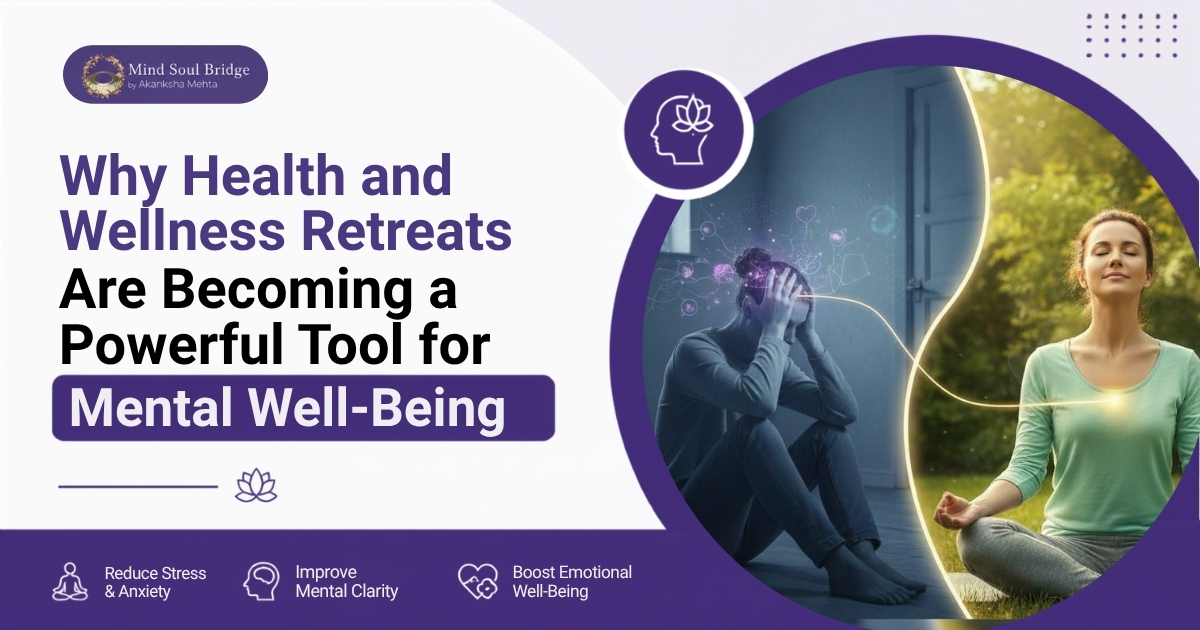




Modern life can leave very little room to breathe. Work keeps moving, messages keep arriving, and personal responsibilities rarely pause. Even when you finally get a free evening, your mind may still be running through yesterday’s problems or tomorrow’s plans.
This is one reason health and wellness retreats are attracting more attention. They offer something everyday life often doesn’t: time away from familiar pressures, with enough structure to slow down, reflect and reconnect with yourself.
A retreat isn’t simply a holiday in a beautiful location.
A well-planned retreat can combine guided reflection, therapeutic sessions, mindfulness, nature, movement and periods of quiet. The aim is to create space where you can notice what has been happening emotionally rather than immediately returning to your usual routine.
Mind Soul Bridge describes its retreats as intentional pauses that combine emotional healing, self-exploration and new environments. Its approach includes therapeutic workshops, relational exercises, embodied practices, nature-based reflection and dedicated reflection time.
That difference matters. Rest becomes part of a guided process rather than an escape that ends when you get home.
Sometimes the same surroundings reinforce the same habits.
Your bedroom reminds you of work. Your phone brings another notification. A familiar café brings back a difficult conversation. Even small things can keep you mentally connected to everyday pressures.
Moving into a new environment can interrupt that cycle. Nature, quieter surroundings and a different daily rhythm can give you room to notice thoughts and feelings that usually get pushed aside.
Mind Soul Bridge uses nature and travel as part of its retreat approach, with locations selected for their sense of calm, cultural depth and opportunities for reflection.
Burnout doesn’t always look dramatic.
Sometimes it feels like constantly being tired. Sometimes you stop enjoying things you once liked. You may find yourself becoming irritable, disconnected or unable to switch off.
Retreats can provide a pause from those demands. Structured activities such as breathwork, journaling, mindfulness and nature-based reflection can encourage you to slow down and recognise what you need.
That doesn’t mean a retreat can magically resolve burnout. Lasting change usually requires continued support and changes to everyday habits.
When you’re emotionally exhausted, even deciding what to do next can feel difficult.
Wellness therapy retreats can provide a planned rhythm. Instead of filling every hour with activities, the programme can include therapeutic sessions, workshops, group reflection, embodied practices and quiet time.
Mind Soul Bridge offers individual immersive retreats as well as small-group options. Its small groups are limited to four to ten participants and are facilitated with clear boundaries and a trauma-informed approach.
That structure can make it easier to focus without feeling pressured to constantly achieve something.
Retreats should not be treated as a replacement for appropriate mental health treatment.
If you’re experiencing persistent anxiety, depression or significant emotional distress, professional assessment and ongoing depression anxiety therapy may be important. A retreat can sometimes complement that work, particularly when it is clinically structured and followed by appropriate support.
Mind Soul Bridge provides individual therapy for concerns including anxiety, low mood, emotional burnout and persistent overthinking. Its approach combines frameworks such as CBT, EFT, mindfulness and trauma-informed therapy according to the person’s needs.
The right choice depends on what you’re experiencing.
Anxiety often thrives on repetition: the same worries, the same avoidance patterns and the same daily triggers. A retreat can create enough distance to examine those patterns with support. Guided reflection may help you recognise what triggers anxiety, how you respond to it and what you might want to change.
Mind Soul Bridge’s travel retreats include therapy for anxiety, guided reflection, grounding practices, relational circles and optional individual sessions.
The focus is not simply on feeling relaxed for a few days. It is on taking useful insight back into everyday life.
Mental health work requires trust.
A good retreat should never pressure participants into sharing personal experiences, joining activities they don’t want to do or discussing something before they feel ready.
Mind Soul Bridge includes screening calls before retreats and sets expectations around confidentiality, consent and group agreements. Its retreats are designed around pacing and emotional safety, with no forced sharing. That is particularly important when a retreat involves vulnerable conversations.
The real test of a retreat isn’t how peaceful you feel on the final day. It is what happens when you return to your normal routine.
Mind Soul Bridge includes post-retreat integration sessions as part of its approach, helping participants connect what they discovered during the retreat with everyday life.
That might mean continuing therapy, changing boundaries, protecting time for rest, maintaining a journaling habit or simply becoming more aware of emotional patterns.
Small changes can be more sustainable than trying to transform your entire life overnight.
A retreat may appeal to someone who feels emotionally drained, stuck or disconnected from themselves. It may also suit people who have already done some therapy and want a deeper experience in a different setting.
Mind Soul Bridge specifically describes its travel retreats as suitable for people dealing with burnout, overthinking, relational stress, emotional exhaustion or a desire for deeper self-exploration. However, suitability should always be assessed individually, especially when someone is dealing with significant mental health symptoms.
Health and wellness retreats are becoming a meaningful option for people who need more than a weekend away from work. When thoughtfully designed, they can combine therapeutic support, nature, reflection, movement and connection to create space for emotional awareness and healthier routines. They should not be viewed as a quick cure, particularly for depression or severe anxiety, but they can complement appropriate professional care. Mind Soul Bridge brings together therapy, travel and trauma-informed practices to create retreats centred on emotional safety, self-exploration and meaningful personal change.
Health and wellness retreats are structured experiences designed to give people time away from everyday pressures while focusing on mental, emotional and physical well-being. Depending on the programme, they may include therapy, mindfulness, journaling, nature activities, movement, group discussions and quiet reflection rather than simply offering leisure activities.
Wellness therapy retreats may help people step away from demanding routines and explore the causes of ongoing stress or emotional exhaustion. Guided therapy, reflection and calming activities can support greater awareness and healthier coping. However, persistent or severe symptoms may require continued individual therapy or other professional mental health support.
A retreat should not automatically replace depression anxiety therapy, particularly when someone has significant or persistent symptoms. Retreats may complement ongoing professional support for some people, but the appropriate level of care depends on individual circumstances. Anyone experiencing serious emotional difficulties should discuss treatment options with a qualified mental health professional.
Therapy for anxiety within a retreat may involve individual sessions, guided reflection, mindfulness, grounding exercises, emotional processing and discussions about recurring patterns. A structured retreat can provide distance from everyday triggers, but therapy should remain personalised and professionally guided rather than relying only on relaxation activities or travel.
Not necessarily. A person’s emotional state, mental health needs, expectations and comfort with group or travel settings should all be considered. Mind Soul Bridge uses screening calls before its retreats to assess readiness and suitability. A retreat should feel safe, voluntary and appropriately supported rather than something a person feels pressured to attend.

10 Aug 2026 · By mindsoulbridge · 6 min read
Sometimes you don’t need another busy weekend. You need a […]
Read Post →
09 Sep 2025 · By mindsoulbridge · 3 min read
Explore how Cognitive Behavioral Therapy (CBT) helps us gently change the negative stories we tell ourselves. Learn to notice, question, and reframe thoughts with compassion, creating a healthier mindset without forcing positivity. This post guides you step by step to transform anxious or self-critical thinking into balanced, intentional responses.
Read Post →
09 Sep 2025 · By mindsoulbridge · 2 min read
You don’t have to have it all figured out to begin healing. This post reminds us that showing up, even when uncertain or scared, is already a courageous step. Growth happens in the messy middle, not in perfect clarity. Healing is a journey taken step by step, breath by breath.
Read Post →
Guiding individuals and couples towards inner peace, stronger relationships, and meaningful growth through ethical and inclusive practice.

© 2026 All Right Reserved | Mind Soul Bridge
Designed & Developed by AMITKK Digital Solutions
