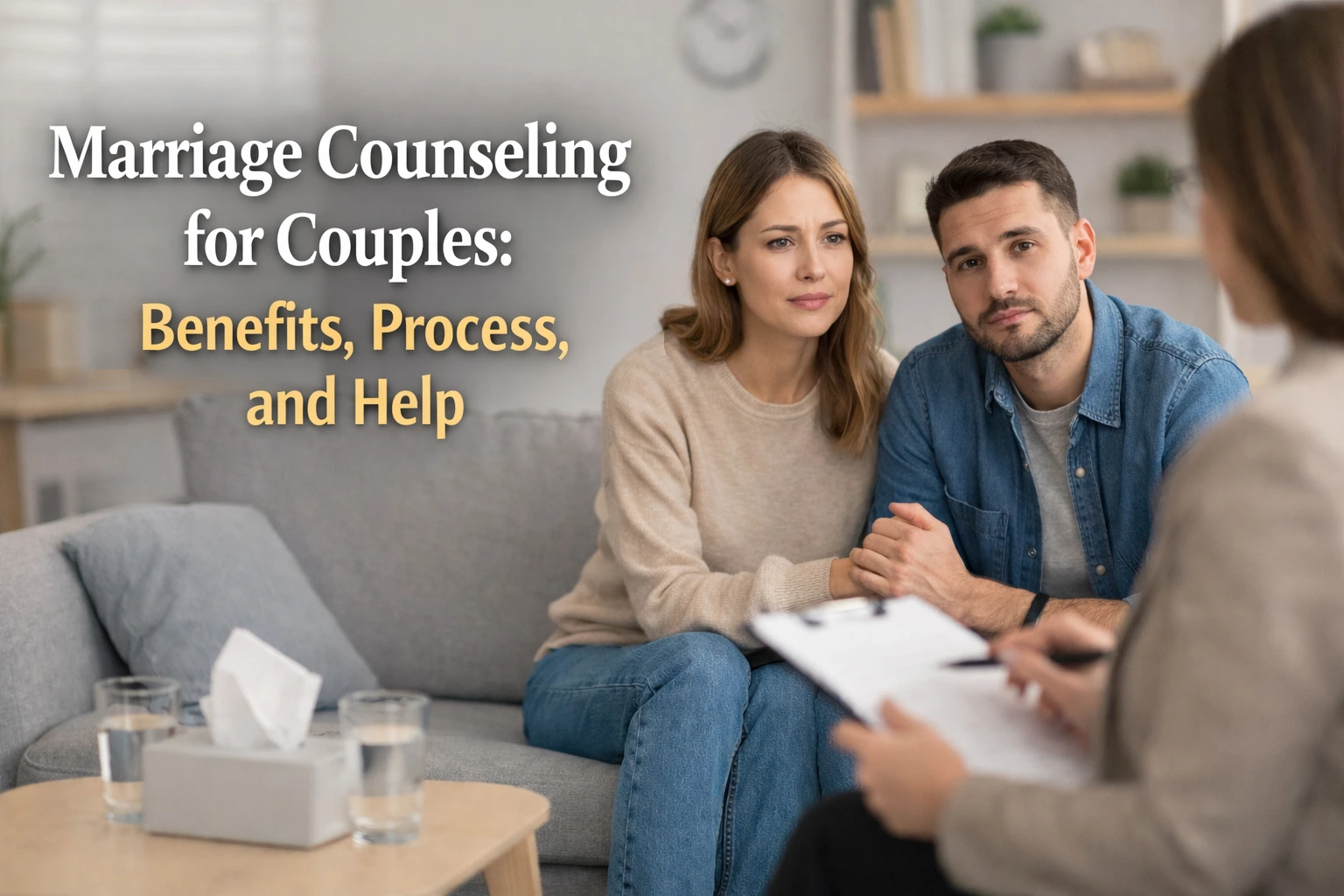




Every relationship goes through challenging phases, and no marriage is completely free from conflict. Differences in opinions, communication styles, expectations, and life pressures can gradually create emotional distance between partners. When misunderstandings, unresolved conflicts, or feelings of disconnection begin to affect daily life, seeking professional support can be a meaningful and empowering step. Marriage counseling for couples offers a safe, structured environment where partners can openly communicate, rebuild trust, and strengthen their emotional bond. Rather than being a last resort, counseling is often most effective when couples seek help early, before issues become deeply rooted.
Marriage counseling can be helpful at almost any stage of a relationship. Couples often turn to therapy during major life transitions such as becoming parents, managing career changes, facing financial challenges, dealing with health concerns, or relocating to a new place. These transitions can increase stress and strain communication, even in otherwise strong marriages. Counseling also helps when recurring arguments, emotional withdrawal, lack of intimacy, or constant misunderstandings start to feel overwhelming. Instead of repeatedly revisiting the same conflicts, therapy helps couples identify deeper emotional needs and unresolved issues driving those patterns.
Counseling sessions address a wide range of emotional and relational concerns. Common topics include communication breakdowns, trust issues, unresolved resentment, emotional neglect, infidelity recovery, differences in values, and mismatched expectations. Counselling for married couples focuses on recognizing unhealthy interaction patterns and replacing them with more supportive and respectful ways of relating. Through guided conversations, both partners gain a better understanding of each other’s perspectives. This process encourages empathy and allows individuals to feel heard, validated, and emotionally safe within the relationship.
Starting therapy can feel intimidating, especially for couples who have never sought professional help before. Understanding what to expect can reduce anxiety and uncertainty. The marriage counseling process typically begins with an initial assessment, where the therapist learns about the couple’s relationship history, current challenges, and individual goals. This helps create a personalized approach tailored to the couple’s needs. Ongoing sessions may include guided discussions, communication exercises, emotional awareness practices, and conflict-resolution strategies. Over time, couples learn how to express their feelings more clearly, listen without defensiveness, and respond with empathy rather than blame.
The positive effects of therapy often extend well beyond resolving specific arguments. Marriage counseling benefits include improved communication, deeper emotional intimacy, stronger trust, and healthier conflict management skills. Couples gain insight into their relationship dynamics and learn practical tools they can apply in everyday situations. Counseling also helps partners recognize each other’s emotional triggers and develop ways to respond more thoughtfully. By addressing concerns early, therapy can prevent minor issues from growing into long-term emotional damage or resentment.
A common misconception is that counseling is only for couples facing separation or divorce. In reality, couple marriage counseling can be just as valuable for strengthening healthy relationships. Many couples use counseling proactively to enhance communication, deepen emotional connection, and navigate life changes more smoothly. Therapy can serve as a space for personal and relational growth, helping partners align their goals and maintain a strong foundation for the future.
Marriage counseling is not about assigning blame or deciding who is right or wrong. It is about growth, understanding, and working together as a team. With professional guidance, couples can transform conflict into connection and uncertainty into clarity. For those considering professional support, Mind Soul Bridge offers compassionate, evidence-based care designed to help couples reconnect and move forward with confidence. Choosing marriage counseling for couples can be a powerful first step toward a more balanced, emotionally fulfilling, and resilient relationship.
Couples should consider counseling when communication becomes difficult, conflicts feel repetitive, or emotional distance grows. Seeking help early prevents issues from escalating. Marriage counseling for couples is especially effective when partners are willing to work together and address concerns before resentment becomes deeply rooted.
Yes, counseling can be highly effective when both partners are committed to the process. Marriage counseling benefits include improved communication, emotional understanding, and conflict resolution skills. Success depends on openness, consistency, and applying learned strategies outside therapy sessions to daily interactions.
A typical session involves guided conversations facilitated by a trained therapist. The marriage counseling process includes exploring concerns, understanding emotional triggers, and learning practical tools for healthier communication. Sessions are structured yet supportive, allowing both partners to express themselves safely.
Not at all. Counseling for married couples is also beneficial for strengthening relationships, improving communication, and navigating life transitions. Many couples attend counseling proactively to maintain emotional closeness and prevent future misunderstandings.
Couple marriage counseling focuses on the relationship dynamic rather than individual concerns alone. The therapist works with both partners simultaneously, helping them understand shared patterns, improve interaction styles, and develop mutual solutions that support the relationship as a whole.


Guiding individuals and couples towards inner peace, stronger relationships, and meaningful growth through ethical and inclusive practice.

© 2026 All Right Reserved | Mind Soul Bridge
Designed & Developed by AMITKK Digital Solutions
